!!!SUMMER LEARNING JOURNEY !!
WEEK 3 - Up , Up and Away
DAY 1 - A Heated Debate
DAY 2: The Air Up There
----------------------------------------------------------------------------------------------------------------------------------
WEEK 3: Up, Up and Away
This week we are focusing our attention on the sky. There is so much that we still don’t know about this environment but, from what we can tell, it is a pretty magical place. Let’s venture together into the unknown…
------------------------------------------------------------------------------------------------------------
DAY 1: A Heated Debate
Activity 1: Togs or Trackies? [4 points]
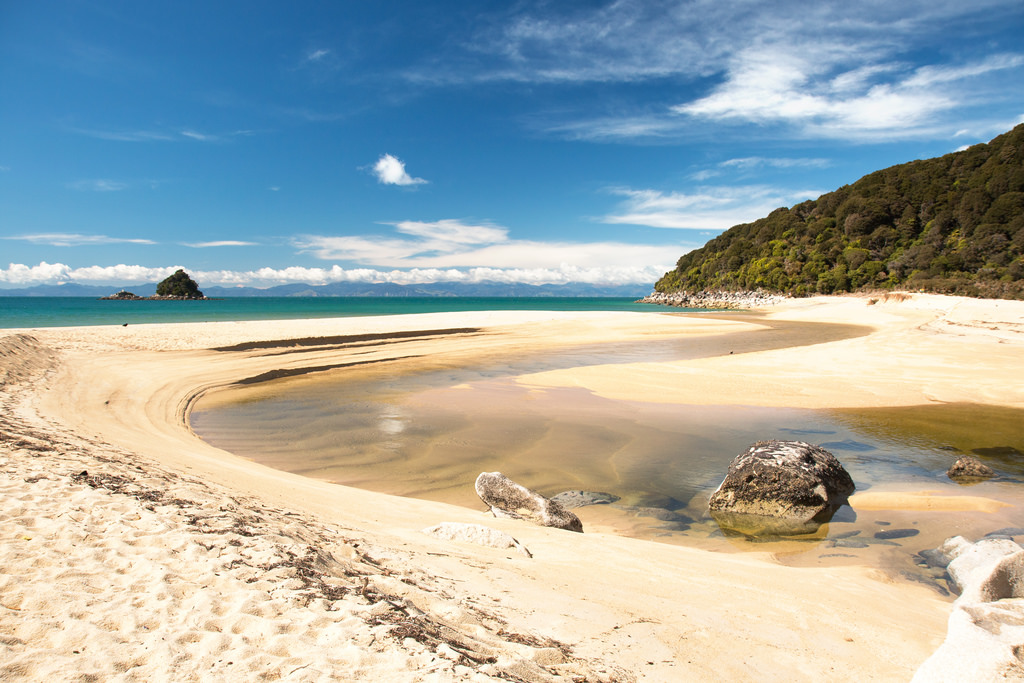
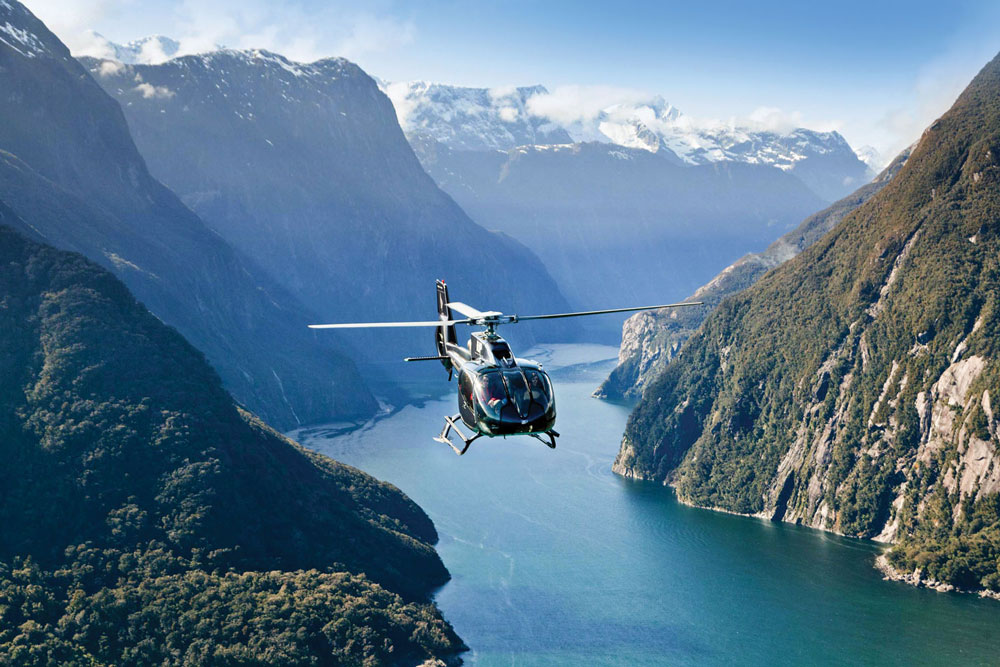
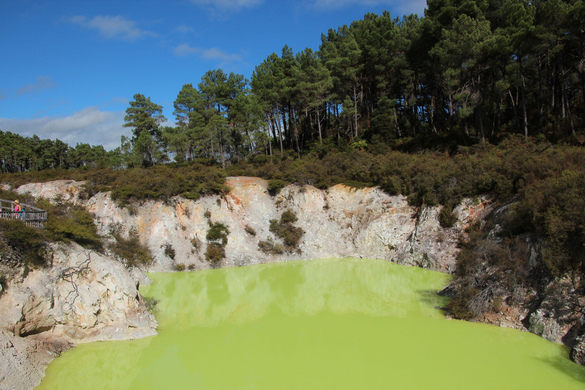
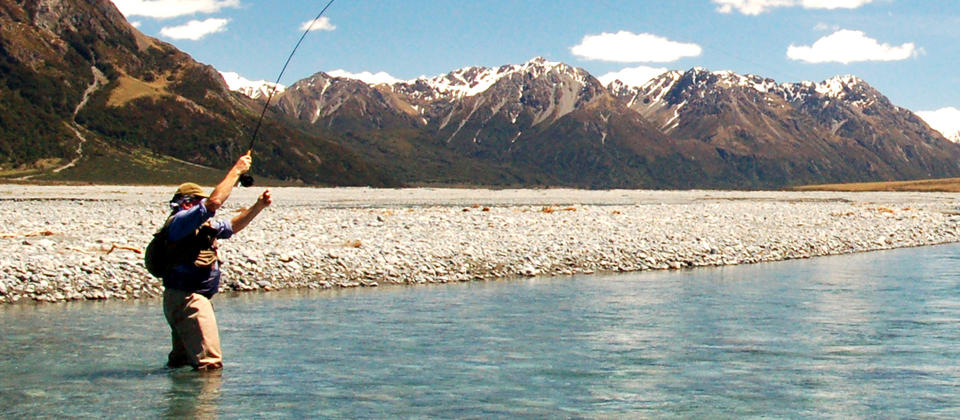
New Zealand is a pretty lovely place to live, isn’t it? Apparently, New Zealand (NZ) is also a pretty lovely place to visit. In 2017 approximately 2-3 million people came to visit NZ as tourists. Some of them chose to come in the middle of our summer, while others braved it and came in the middle of winter! When do you think is the best time of year (season) to visit NZ?
If you would like some help making a decision, feel free to read the Go New Zealand website. It has lots of information about the seasons in NZ!
I, personally, encourage my friends and family from overseas to come and visit NZ in early spring. The weather is usually warm and dry and the tourist attractions, beaches and holiday spots are less busy than they are in the middle of summer.
On your blog, tell us what time of year you think is best for tourists for come and visit. Be sure to share at least three things that tourists could do while they were here in NZ.
#11 Things that tourists could do while they were here in NZ.
Go Zorbing in Rotorua
Vist the Sky City located in Auckland
Vist The Beehive Located in Wellington ( The Capital of NZ )
Go sailing around the Bay of Islands
Have a picnic at Whangarei Falls
Go to the coast from Castlepoint lighthouse
Go skydiving
Ride the Wellington Cable Car
Visit Auckland Museum
Stay late for stargazing at Lake Tekapo
Go bungy jumping
----------------------------------------------------------------------------------------------------------------------------------
Activity 2: You are my Sunshine [4 points]

People in New Zealand love spending time outdoors. Unfortunately, the sun is very powerful and the rates of skin cancer are incredibly high in New Zealand. In fact, they are higher than anywhere else in the entire world! To protect ourselves against skin cancer, we need to be careful about how much time we spend in the sun. We have to be ‘Sunsmart.’
On your blog, list five different things that we can do to protect ourselves from the sun this summer!
The 5 I have Done
#1 - Always Put Sunscreen on when in the sun and make sure apply the sunscreen every 2 Hours .
#2 - Whenever in the sun make sure to always wear a hat that way you don't get sun burn because you didn't wear a hat while in the sun
#3 - Put on some sun glasses because the sun might be too bright and the sun glasses will help with that problem .
#4 - At the beach it can get really hot out there right , so when you are at a beach set your things in underneath a nice shady tree or you could bring your jumbo big umbrella with you to the beach .
#5 - Make sure to put on long sleeves because when you get a normal t - shirt and you get sunburned half of your arm will be sunburned and the other half will be your original colour you had before .

Task Description : So I had deiced to make a google drawings and put some beach things like beach balls and a couple of chairs and selected a background for it so it looks a bit like the beach and added the sun and also added the Image Attribution too :) Click to view Better
---------------------------------------------------------------------------------------------------------------------------------
.
Activity 3: Burning Up… [15 points]
While it can get hot in New Zealand, especially in the middle of summer, it gets even hotter in places like Dallol (Ethiopia), Dasht-e Loot (Iran), Tirat Zvi (Israel), Kabili (Tunisia) and Bandar-e Mahshahr (Iran).
The hottest temperature on record in each place is: Dallol: 41oC; Dasht-e Loot: 71oC; Tirat Zvi: 54oC; Kabili: 55oC; Bandar-e Mahshahr: 51oC. Crazy ‘eh?!
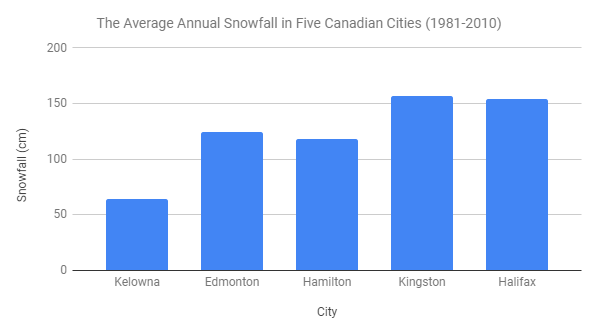
For this activity, you are asked to use this information to create a graph. The graph should have a title along with the names of each city and their hottest recorded temperatures. You can draw the graph by hand or use a computer programme like Google Draw to create your graph. It’s completely up to you!
Here is an example of a graph:
On your blog, post a picture of your graph..
----------------------------------------------------------------------------------------------------------------------------------

Task Description : For this task we have been asked to create a graph using what we would like , As you can see I deiced to make mine on a Google Drawings as it was easy to do and make , I had started of by do the numbers and lines and the side then putting the names of places that we were given then I measured the numbers to the lines and kept on doing that until i was done , After that I colour each place a different colour the I deiced to add a text saying Every Hot Places In New Zealand at the top , Next I deiced to change the back ground to a light ish grey . This is the final Graph :)
----------------------------------------------------------------------------------------------------------------------------------
DAY 2: The Air Up There
Activity 1: Bee Informed [4 points]
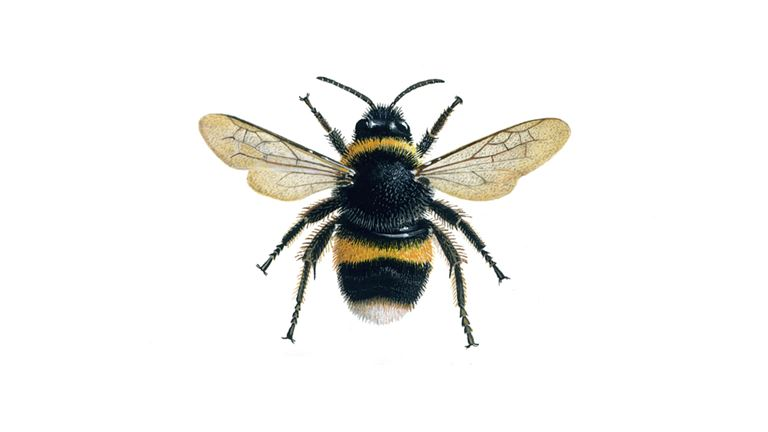
One of the most important, but least talked about, animals in New Zealand is the bumblebee. It was first introduced to New Zealand in 1885 to help pollinate a special plant called the ‘Red Clover.’ Today, bumblebees do many other important jobs, including the pollination of greenhouses and orchard crops. If the bees did not pollinate the plants, they would not survive.
For this activity, we would like you to bee-come detectives and to learn more about the mysterious, and often ignored, bumblebee. We will provide you with five sentences about bumblebees from the NZ Bumblebee Conservation Trust website and it is your job to fill in the blanks with the missing information about bees. Choose the phrase/word that makes the most sense from the list at the bottom. (Each phrase/word can only be used once).
To earn full points for this activity you must type all five sentences and then fill in the blanks for each one. Post the completed sentences on your blog.
------------------------------------------------------------------------------------------------------------ ---------------------
Unbee-lievable Facts about Bumblebees
- The word ‘bumblebee’ is a compound word (bumble + bee). The word ‘bumble’ means tohum, buzz, or drone
- Bumblebees can fly very quickly. They can reach ground speeds of ____54___ kilometers per hour (km/h).
- Bumblebees are very strong! They carry up to __90%__ percent of their body weight in food with them to avoid starvation.
- Bumblebees can do more work and carry more pollen than other bees, including honeybees. In fact, they can do up to ___50___ times as much work as a normal honeybee.
- The number of bumblebees is declining in New Zealand due to a number of factors, including the removal of wildflowers and flowering trees and extensive use of pesticides .
Phrase/Words/Numbers
...50 ...90 ...removal of wildflowers and flowering trees, habitat loss, and extensive use of pesticides. ...hum, buzz, or drone ...54
Task Description : This is task that we had to do was Fill in the gaps this was all based on Bumble Bees , For an example I had ---------- this morning and the word bank would be Training or Running and the answer would be Training so it would look like this I had Training this morning ( Which is Ture) and yeah , We had to figure out which words go in the sentences and also we had to use all the word bank up so basically all the words we were given .
Task Description : This is task that we had to do was Fill in the gaps this was all based on Bumble Bees , For an example I had ---------- this morning and the word bank would be Training or Running and the answer would be Training so it would look like this I had Training this morning ( Which is Ture) and yeah , We had to figure out which words go in the sentences and also we had to use all the word bank up so basically all the words we were given .
------------------------------------------------------------------------------------------------------------ ---------------------
Activity 2: Carbon Sinks Don’t Stink! [4 points]
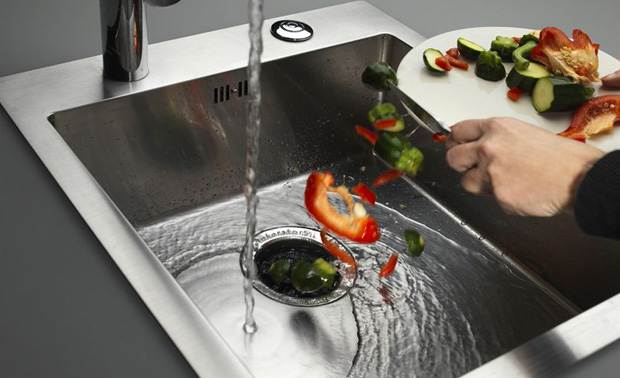
Every day a chemical compound called carbon dioxide (CO2) is produced and released into the air. If it isn’t removed, it can become toxic for humans. Fortunately, there are a number of places where CO2 is absorbed (removed from the air). Two of the most common places are forests and oceans. They are called ‘carbon sinks’ because, like a sink, they gather, clean and drain things away that we don’t want. One of the largest carbon sinks in New Zealand is a forest in the south-western part of the South Island. It drains away 60% of our unwanted carbon!
Let’s imagine that you could design a sink that could gather up and then drain away any foods that you don’t like. On your blog, tell us what you would put in your special sink. If it was me, I would put rice pudding, brussel sprouts, custard, parsnips, and seafood chowder in the sink. Yuck! What about you?
On your blog, list all of the foods that you would put in your special draining sink..
---------------------------------------------------------------------------------------------------------------------------------
---------------------------------------------------------------------------------------------------------------------------------
I am being honest but I don't know what to put in my Special Draining sink because I don't dislike anything because I haven't tried any yuck yet in my life maybe there is something but it stuck somewhere in my mind I am sorry Rachel and the SLJ Team I just don't know SORRY !!!
---------------------------------------------------------------------------------------------------------------------------------
Activity 3: Flying Fungi [10 points]
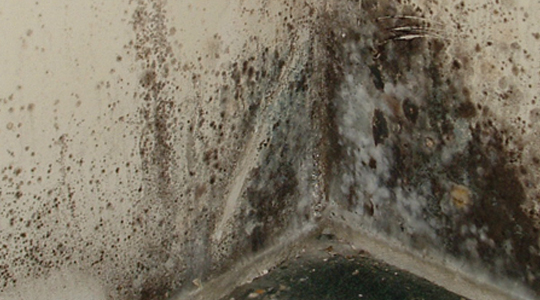
In the middle of winter it can get quite wet and damp in New Zealand, can’t it? When it gets really damp, it is common for things like mould and fungi to start to grow. We can often see them on the walls, ceilings or floors of our houses or outside on footpaths, buildings or roadways. Some types of mould and fungi are so small that they can’t be seen. Some of these tiny fungi/mould can be found in the air. They are called ‘airborne fungi’ and they can be unhealthy for us.
Let’s imagine that we tested the air in your classroom and found 7 different kinds of mould. Eek! The cleaner says that it takes 5 days for each mould to be eradicated (removed). If the school had to remove each mould one at a time, how long would it take to remove all the mould from the classroom?
On your blog, tell us how you would solve this tricky maths problem. Be sure to also post your final answer in days or weeks.
---------------------------------------------------------------------------------------------------------------------------------
So we know that there are 7 Different moulds and it takes 5 days right to remove one mould out so I am going to be using times tables so 7 x 5 = 35 days right then take the 35 days and put it into week which there is 7 days in a week right so there are five 7's in 35 and if there are five 7's in 35 then 5 is the answer for the weeks so it is 5 weeks
Final answer for Days = 35 Days
Final Answer for Weeks = 5 Weeks
---------------------------------------------------------------------------------------------------------------------------------
Activity 3: Burning Up… , Activity 1: Bee Informed , Activity 2: Carbon Sinks Don’t Stink! , Activity 3: Flying Fungi . I can't wait to move on to the next day !!!!GOD BLESS YOU AND YOUR FAMILY STAY SAFE ALSO STAY TUNED FOR MORE BLOG POST’S COMING !!!!